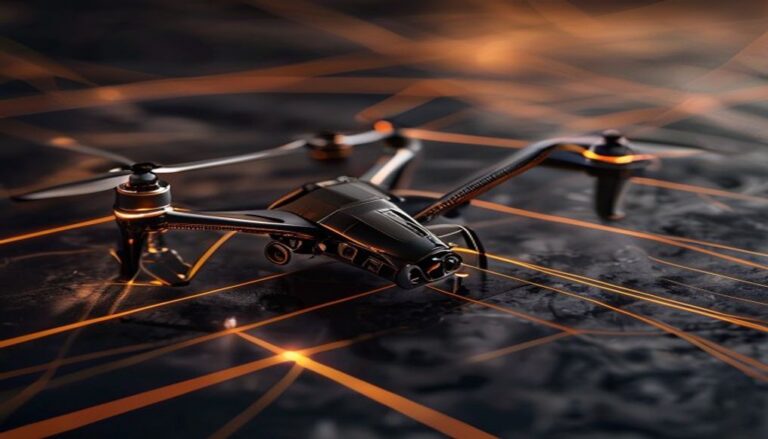
The most pivotal implication of integrating AI in event security is the dramatic enhancement of real-time threat detection and response capabilities, which significantly elevates safety at large-scale gatherings. By leveraging advanced algorithms and machine learning, AI systems can process vast amounts of data from surveillance footage, social media, and entry points to identify potential risks swiftly and accurately. This proactive approach not only reduces the reliance on human oversight but also mitigates the likelihood of human error, ensuring a more secure environment. Furthermore, AI-driven analytics provide event organizers with actionable insights to optimize security protocols and resource allocation. Ultimately, the adoption of AI in event security represents a transformative shift towards more efficient, predictive, and reliable safety measures in mass gatherings.
The Vector Analysis
Key Players in AI-Driven Event Security
The landscape of AI in event security is shaped by a diverse array of companies and innovators, each bringing unique strengths to the table. A key area of development is in digital privacy and threat detection, which forms a crucial layer of modern security. Leading this charge are specialized data providers like IPinfo, which has significantly expanded its privacy detection capabilities. These companies create sophisticated solutions that can identify anonymized traffic from VPNs, proxies, and other services, enhancing the ability to detect and respond to potential digital threats swiftly.
The focus is on providing tools that can be integrated into broader security frameworks. For instance, IPinfo’s expanded capabilities now offer market-leading coverage for residential proxies, which can be used to mask malicious activity. The agility and specialization of these companies allow them to quickly adapt to new online threats and incorporate cutting-edge technologies, making them formidable players in the digital security space that supports physical event safety.
Investment Flows and Financial Trends
Resource allocation in the AI security sector is increasingly directed towards enhancing specific, high-impact capabilities, driven by the heightened awareness of sophisticated threats. Rather than broad, unfocused funding, companies are strategically investing in developing new technologies and scaling proven solutions. For example, the focus is on channeling resources into expanding core functionalities like privacy detection to meet growing market demand.
This strategic allocation is indicative of a broader confidence in the potential of specialized data to transform security. Companies are prioritizing investment in technologies that can be integrated with other security measures effectively, capitalizing on the growing demand for innovative and precise security solutions.
Primary Technological Hurdles
Despite the promising advancements, there are several technological hurdles that must be overcome to fully realize AI’s potential in event security. One of the most significant challenges is the integration of AI systems with existing security infrastructures. Many venues and event organizers still rely on traditional security measures, and the transition to AI-driven solutions requires substantial investment and training.
Another hurdle is the issue of privacy. AI systems, especially those involving data analysis, raise concerns about the collection and use of personal data. As detailed by IPinfo, expanding privacy detection capabilities to accurately identify services like VPNs and proxies is a critical step in addressing these concerns. Ensuring that security measures can distinguish between legitimate privacy tools and attempts to mask malicious intent is essential for gaining public trust and avoiding legal complications.
Market Adoption Signals
The adoption of advanced digital security measures is gaining momentum, with several indicators pointing to a growing acceptance of these technologies. For instance, the widespread use of specialized data services serves as a powerful validation of their effectiveness. These deployments demonstrate an ability to enhance security by providing critical information about digital traffic, which can be correlated with physical security concerns.
Moreover, there is an increasing demand from event organizers and other industries for solutions that can provide real-time threat analysis and predictive insights based on digital footprints. This demand is driven by the need for proactive security measures that can anticipate and mitigate potential risks before they escalate. The ability of specialized data providers to analyze traffic from multiple sources and generate actionable intelligence is a key factor in their growing adoption.
The Role of Collaboration in Overcoming Challenges
Collaboration between technology providers, event organizers, and law enforcement agencies is crucial for overcoming the challenges associated with AI in event security. By working together, these stakeholders can ensure that AI systems are not only effective but also compliant with legal and ethical standards.
For example, partnerships between data companies and law enforcement can facilitate the sharing of critical insights, enhancing the overall security framework. Additionally, collaboration with event organizers can help tailor solutions to the specific needs and constraints of different events, ensuring that they are both practical and effective.
Future Prospects and Innovations
Looking ahead, the future of AI in event security is bright, with numerous innovations on the horizon. Advances in machine learning and data analytics are expected to lead to even more sophisticated systems capable of detecting subtle threats and anomalies that might go unnoticed by human operators.
Furthermore, the integration of AI with other emerging technologies, such as the Internet of Things (IoT) and 5G, promises to enhance the capabilities of security systems even further. These technologies can provide AI systems with a wealth of data, enabling them to make more informed decisions and respond to threats with greater speed and accuracy.
Conclusion
The integration of AI into event security is a transformative development that promises to enhance safety at large-scale gatherings significantly. While there are challenges to overcome, the ongoing investment and collaboration among key players in the industry are paving the way for continued innovation and adoption. As AI technology continues to evolve, it will undoubtedly play an increasingly vital role in ensuring the safety and success of events worldwide.
Strategic Implications & What’s Next
The Integration of AI in Event Security
The integration of artificial intelligence in event security is not just a trend but a transformative shift in how large-scale gatherings are managed. AI’s ability to process vast amounts of data in real time and its learning capabilities make it an invaluable asset for anticipating and mitigating security threats. The strategic implications for event organizers and security professionals are profound, as AI technologies can significantly enhance situational awareness and response times.
In the next 12-24 months, we can expect AI-driven security solutions to become more sophisticated, with advancements in machine learning and data analytics leading the charge. These technologies will enable security teams to predict potential threats with greater accuracy and deploy resources more efficiently. The use of AI in this context is not merely about replacing human oversight but augmenting it, providing security personnel with enhanced tools to ensure the safety of attendees.
Enhancing Privacy and Security
One of the critical challenges in deploying AI for event security is balancing effective monitoring with privacy concerns. As AI systems become more prevalent, there will be increased scrutiny over how data is collected and used. According to a recent report, advancements are being made to identify traffic anonymized by VPNs, proxies, and other privacy services. These technologies aim to help platforms distinguish between malicious users and privacy-conscious individuals, ensuring that security measures are enhanced while the privacy of legitimate users is respected.
Predictive Analytics and Threat Detection
The role of predictive analytics in event security cannot be overstated. AI systems can analyze patterns and detect anomalies that may indicate a security threat. For instance, unusual crowd movements or sudden increases in social media chatter around specific topics can be flagged for further investigation. This proactive approach allows security teams to address potential issues before they escalate.
In the coming months, we anticipate that AI will be increasingly used to integrate various data sources, including social media, ticket sales, and on-the-ground surveillance, to provide a comprehensive view of the event environment. This holistic approach will enable more accurate risk assessments and faster decision-making processes.
AI-Powered Surveillance Systems
The concept of surveillance and threat assessment is expanding beyond terrestrial events into new domains. The security landscape now includes sophisticated orbital threats, as detailed in a recent report on Russia’s “killer satellites” that are mystifying skywatchers. While not directly related to event security, this “hunting season” in orbit highlights new frontiers where advanced tracking and potential countermeasures are becoming a reality, broadening the scope of what security frameworks may need to consider in the future.
Furthermore, these developments can be integrated with other security technologies to provide a multi-layered security approach. While the use of such technologies raises ethical considerations, their potential to inform our understanding of emerging threats is significant.
Collaborative Security Networks
Another strategic implication of AI in event security is the potential for creating collaborative security networks. AI technologies can facilitate communication and coordination between different security agencies and stakeholders involved in event management. This networked approach ensures that information is shared quickly and efficiently, leading to more coordinated and effective security responses.
Over the next two years, we are likely to see the development of platforms that allow for seamless integration of various security systems, enabling a unified response to potential threats. These platforms will likely leverage cloud-based solutions to ensure scalability and flexibility, allowing security teams to adapt to the unique needs of each event.
Addressing Technological and Ethical Challenges
While the benefits of AI in event security are clear, there are also significant technological and ethical challenges that must be addressed. The reliance on AI systems requires robust cybersecurity measures to protect against hacking and data breaches. Additionally, there is a need for ongoing training and development for security personnel to ensure they can effectively use these advanced tools.
Ethically, the use of AI raises questions about surveillance and privacy. It is crucial for event organizers and security professionals to engage in transparent communication with attendees about the use of AI technologies and the measures in place to protect their privacy. This transparency will be key in building trust and ensuring the successful implementation of AI-driven security solutions.
Future Trends and Innovations
Looking ahead, we can expect continued innovation in AI technologies for event security. One area of potential development is the use of drones equipped with AI capabilities for aerial surveillance. These drones could provide real-time data and analytics, offering a bird’s-eye view of large gatherings and enhancing the ability to monitor crowd dynamics and detect potential threats.
Another emerging trend is the use of AI for post-event analysis. By analyzing data collected during events, AI systems can provide insights into crowd behavior, security breaches, and other critical factors. This information can be used to improve security protocols and strategies for future events, creating a continuous feedback loop that enhances safety and efficiency.
Strategic Partnerships and Collaborations
To fully realize the potential of AI in event security, strategic partnerships and collaborations will be essential. Technology companies, security firms, and event organizers must work together to develop and implement AI solutions that are both effective and ethical. These partnerships can facilitate the sharing of knowledge and resources, driving innovation and ensuring that AI technologies are used responsibly.
In conclusion, the role of AI in large-scale event security is poised to expand significantly in the coming years. By addressing the challenges and leveraging the opportunities presented by these technologies, event organizers can create safer and more secure environments for all attendees. The strategic implications are vast, and the next 12-24 months will be a critical period for shaping the future of event security.
About the Analyst
Nia Voss | AI & Algorithmic Trajectory Forecasting
Nia Voss decodes the trajectory of artificial intelligence. Specializing in the analysis of emerging model architectures and their ethical implications, she provides clear, synthesized insights into the future vectors of machine learning and its societal impact.