Executive Summary
Geomechanical energy storage presents a transformative opportunity to stabilize energy grids by leveraging Earth’s natural geology as a large-scale battery, particularly in regions where traditional battery solutions are impractical due to cost or space limitations. This innovative approach involves using subterranean rock formations to store energy, offering a sustainable and cost-effective alternative to conventional chemical batteries. The technology’s ability to store energy over extended periods addresses the intermittency challenges of renewable sources like wind and solar, potentially reducing grid instability and energy shortages. However, successful deployment hinges on overcoming geological, regulatory, and technological challenges, necessitating strategic investments and collaboration among stakeholders to realize its potential in reshaping the global energy landscape.
The Vector Analysis
Harnessing Earth’s Potential: The Mechanics of Underground Energy Storage
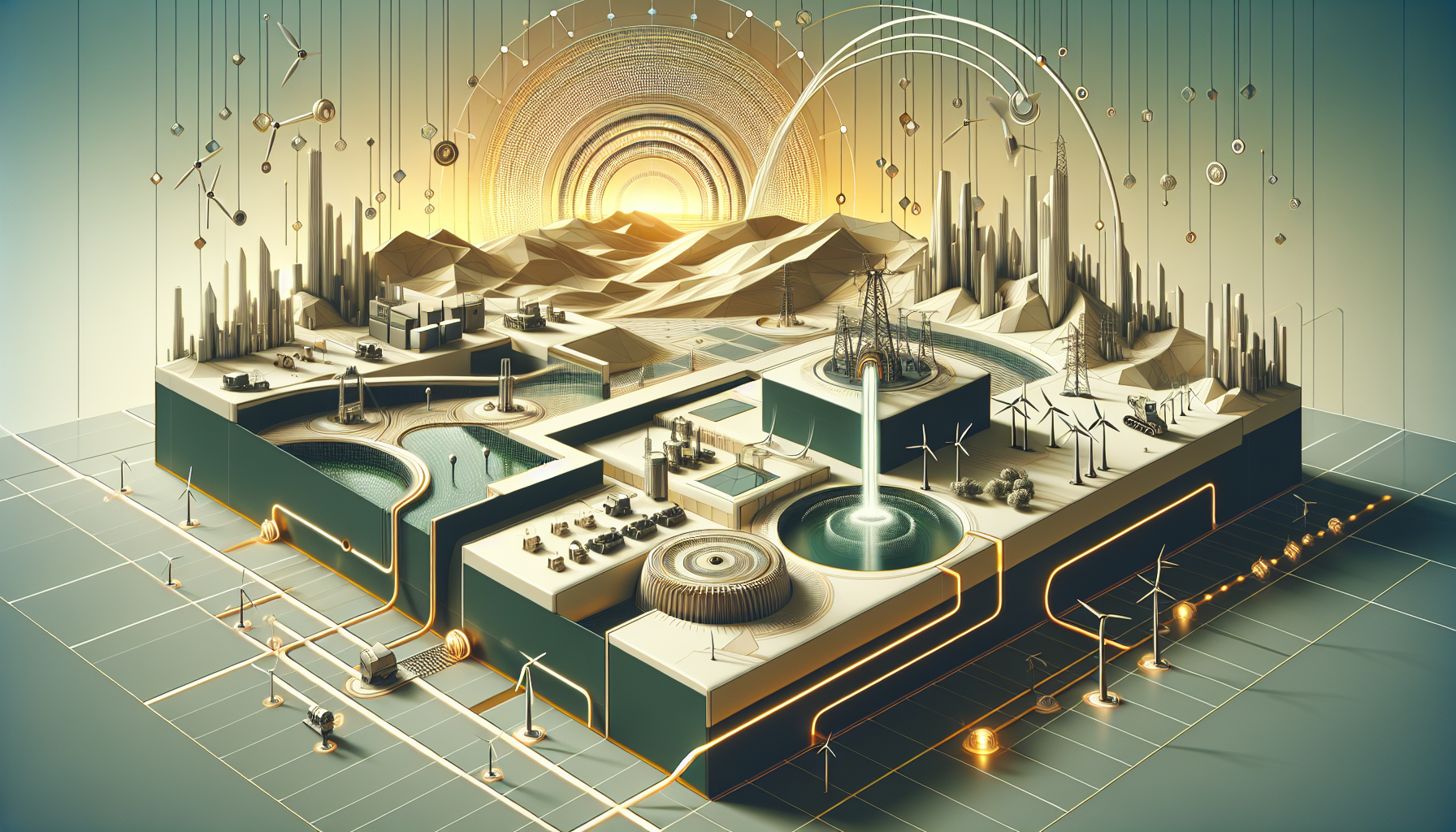
In the quest for sustainable energy solutions, startups like Quidnet are venturing underground, literally. The concept of geomechanical energy storage is rooted in the idea of using the Earth’s natural properties to store energy at a grid scale. This technology involves pumping water between subterranean layers of rock, creating pressure that can be released to generate electricity when needed. The fundamental physics of this process is akin to a hydroelectric dam, but inverted into the Earth’s crust. By leveraging existing geological formations, this method could provide a compelling alternative to traditional energy storage solutions, particularly in regions where large-scale battery deployment is limited by cost or space constraints.
The engineering behind this technology is both innovative and complex. It requires precise geological mapping and understanding of underground aquifers and rock formations to ensure that the pressure created can be maintained and released efficiently. The potential for this technology to store energy for extended periods—far beyond the capabilities of current lithium-ion batteries—makes it a promising candidate for addressing the intermittency of renewable energy sources like wind and solar. According to MIT Technology Review, this approach not only offers a physical solution to energy storage but also aligns with the ongoing shift towards more environmentally sustainable methods.
Economic Viability: A Cost-Effective Alternative?
The economic implications of geomechanical energy storage are significant. Traditional battery technologies, while effective for short-term needs, are often too expensive and short-lived to solve the grid’s long-duration storage problem on their own. In contrast, using the Earth’s natural capacity for energy storage could prove to be more cost-effective in the long run. The initial investment in infrastructure and technology development is substantial, but once operational, the maintenance costs are expected to be lower than those of chemical batteries. Furthermore, the scalability of this technology means it could be adapted to various geographical locations, potentially reducing the need for expensive transmission infrastructure to transport energy over long distances.
A key factor in determining the economic feasibility of this technology is its ability to integrate with existing energy grids. As highlighted by Technology Review, the potential for geomechanical storage to complement existing renewable energy sources could lead to more stable and reliable energy grids. This integration could mitigate the volatility of energy prices and provide a buffer against the fluctuations in supply and demand inherent in renewable energy production.
Geological Considerations: The Earth’s Role and Limitations
The success of geomechanical energy storage is heavily dependent on geological factors. One of the technology’s biggest advantages is that the geology it relies on—layers of rock with shale in between—is widespread. This could enable broad adoption, as the company estimates that over 10 times more land in the US is suitable for its technology than for pumped-storage hydropower, another form of long-duration storage. Moreover, the environmental impact of altering subterranean pressure systems must be carefully assessed to avoid unintended consequences, such as induced seismicity or groundwater contamination.
This widespread geological suitability is one of the technology’s most promising aspects. By conducting thorough geological surveys and leveraging advanced modeling techniques, companies like Quidnet can identify optimal locations for deployment. This strategic approach not only maximizes the efficiency of energy storage but also minimizes environmental risks, ensuring that the Earth’s natural resources are used responsibly.
Strategic Implications & What’s Next
A New Paradigm for Energy Grids: Stability Through Innovation
The potential role of geomechanical energy storage in stabilizing future energy grids cannot be overstated. As the world increasingly relies on renewable energy sources, the need for reliable, long-duration storage solutions becomes paramount. This technology offers a novel approach to addressing the intermittency problem, providing a stable supply of energy even when the sun isn’t shining or the wind isn’t blowing. By integrating geomechanical storage with existing energy infrastructure, we could see a significant reduction in grid instability and energy shortages.
The strategic implications for energy policy and infrastructure development are profound. Governments and energy companies must consider investing in research and development to further refine and deploy this technology. As reported by Technology Review, the potential for geomechanical energy storage to disrupt the current energy landscape is significant, offering a viable path towards achieving global sustainability goals.
Navigating the Future: Challenges and Opportunities
As with any emerging technology, the path forward for geomechanical energy storage is fraught with challenges. Regulatory hurdles, environmental concerns, and the need for technological advancements must be addressed to unlock its full potential. However, the opportunities presented by this technology are equally compelling. By embracing geomechanical energy storage, we have the chance to redefine how we think about energy storage, moving away from traditional chemical solutions towards more sustainable, Earth-based methods.
The next steps for stakeholders involve fostering collaboration between scientists, engineers, policymakers, and industry leaders to create a supportive ecosystem for innovation. By investing in pilot projects and scaling successful models, we can pave the way for a more resilient and sustainable energy future. Ultimately, the question is not whether we can harness the Earth’s potential, but how quickly and effectively we can do so.
About the Analyst
Orion Vega | Market Vector Analysis & Investment Theses
Orion Vega identifies the vectors that shape markets. With a sharp focus on the intersection of technology and capital, he constructs data-driven investment theses and strategic analyses for founders, investors, and decision-makers looking for an asymmetrical advantage.