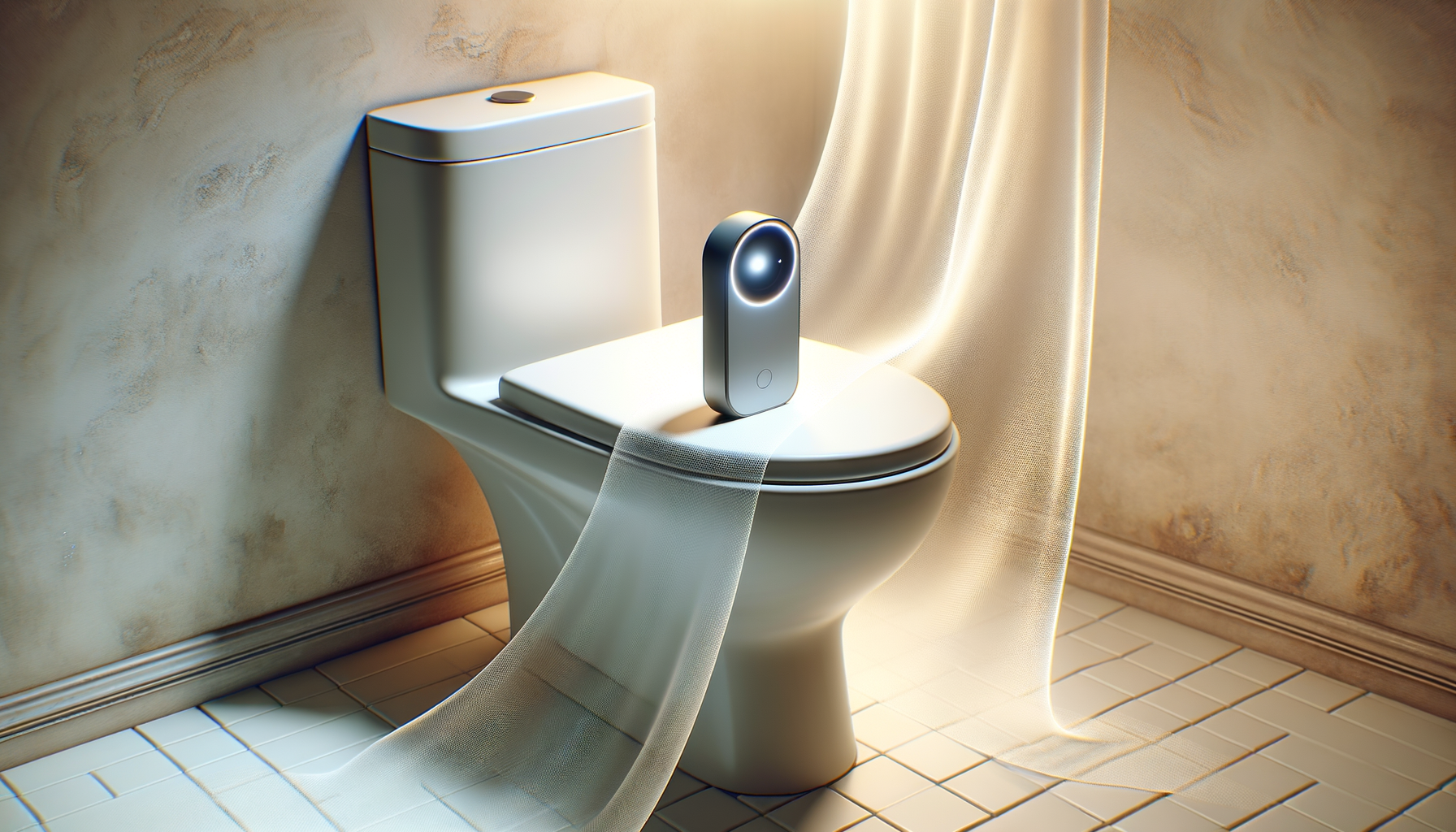
Toilet camera tech is moving from concept to reality as Kohler introduces Dekoda, a consumer device that clips onto a toilet and photographs what’s inside for health insights (as reported by TechCrunch). Wired’s weekly gear roundup also flagged the debut as part of a wave of experimental home gadgets crossing into mainstream awareness, placing a toilet sensor alongside more familiar smart-home fare (Wired).
Kohler’s move matters because it’s a priced, shipped product, not a lab demo. With a sticker price of $599 and a subscription attached, the company is pushing bathroom fixtures into the realm of health-sensing appliances, and with it, a fresh set of expectations about how intimately our homes will watch us (see TechCrunch).
Practical use cases for a toilet camera
Toilets are a strong on-ramp for wellness because they fit existing rituals rather than invent new ones. Dekoda captures images of waste and uses software to generate insights about gut health and hydration, reframing the bathroom not as a fixed object but as a surface for diagnostics (see TechCrunch; Engadget). The value proposition is simple and repeatable: passive monitoring during a routine everyone already does, with the promise of early warnings if something looks off.
For households managing chronic digestive issues, such a device could standardize observations that are otherwise imprecise and burdensome. Caregivers might see value in trend lines rather than single snapshots, allowing them to notice changes without intrusive questioning. And because toilets are shared, multi-user support and personal profiles matter as much as the sensors. These are the kinds of small, cumulative conveniences that turn a novelty into a habit when they work—and become deal-breakers when they don’t.
There’s also a pragmatic angle for smart-home integrators. Bathrooms are late adopters of connectivity because moisture, power safety, and décor coordination make projects harder than in living rooms or kitchens. If sensors arrive bundled in brand-name fixtures, integrators can offer a contained, serviceable package rather than a mosaic of aftermarket accessories. That bundling could be Dekoda’s biggest commercial affordance: it reduces the install and support complexity that often sinks bathroom tech (see Wired).
Gut health and hydration cues
A repeatable bathroom ritual is fertile ground for longitudinal signals. If Dekoda’s analysis can consistently flag shifts in stool consistency or hydration indicators, it could nudge everyday choices—more water, dietary adjustments, or a prompt to consult a clinician. The test for consumers isn’t novelty; it’s whether the device reduces cognitive overhead and provides clear on-ramps to action rather than generic tips.
Multi-user profiles and caregiver value
Households with kids, older adults, or post-surgery recovery needs often rely on imperfect self-reporting. App-separated profiles and optional biometric or PIN locks, as described in reporting on Dekoda, would help maintain privacy while allowing caregivers to track changes over time (Engadget). In multi-user bathrooms, that data separation is not a feature—it’s the price of admission.
Installation and smart-home bundling
Bathrooms rarely welcome DIY gadgets. A clip-on design and fixture-friendly installation lower friction, but reliability will hinge on how the hardware handles humidity, cleaning products, and misalignment over time. Integrators will look for serviceable mounts, sealed housings, and clear maintenance guides before recommending a bathroom camera to clients.
Toilet camera privacy and trust
A lens in a bathroom is a trust test. Coverage of Dekoda emphasizes a limited field of view, pointing sensors “down” to the bowl. App-gated access and encryption are table stakes; what matters most is legibility—clear controls, visible status, and obvious off states (see TechCrunch).
The legal regime is equally important. Health apps outside clinical care lines generally aren’t covered by HIPAA, which means they fall under consumer protection and state privacy laws rather than traditional medical rules. The Federal Trade Commission’s updated Health Breach Notification Rule now explicitly covers many wellness apps, requiring disclosures for unauthorized sharing—including leaks to advertising platforms (FTC rule; FTC explainer). Those updates mirror recent enforcement actions against health-focused apps for mishandling sensitive data (see GoodRx; BetterHelp).
Trust also has a social dimension. Guests may not want to interact with a smart toilet at all. Multi-user households will seek visible cues—status lights, clear on/off states, and explicit “profiles”—that make consent and control legible. And for renters or roommates, a camera near the most private routine can tip into “no way” unless there’s a respectful guest mode. The lines between helpful, weird, and invasive are thin here and will be adjudicated not just by product settings but by household conversations.
On-device limits, encryption, and app controls
For privacy teams, the differentiators are practical: retain only what’s necessary, offer local processing where possible, provide straightforward deletion, and separate bathroom data from broader household profiles unless users explicitly opt in. Clear histories and per-user vaults can reduce anxiety—especially in shared bathrooms.
Guest mode, consent, and visible status cues
In practice, “privacy by design” needs to be visible. Obvious indicators when the camera is active, a one-tap disable, and an easy-to-remove mount function as social trust signals. These affordances matter as much as encryption because they help people negotiate norms in real households, not just in settings menus.
Equity and access: who benefits and who’s left out
At $599 plus a subscription, Dekoda is priced as a premium add-on in a category already associated with upscale bathroom remodels (see TechCrunch). That cost anchors the early audience in health-motivated enthusiasts and families with discretionary budgets. Over time, competitive pressure could push a “sensor-only” tier or bundle the tech into mid-market fixtures, but near-term access will skew to homeowners. Renters face hurdles: permissions for installation, reluctance to add visible sensors in shared bathrooms, and limited ability to capture value if they move.
Digital equity questions extend beyond purchase price. If meaningful insights require an ongoing subscription, device utility can degrade without it. And if analysis happens in the cloud, households with constrained bandwidth or restrictive data caps may hesitate. For consumers outside the U.S., local privacy laws and app support determine viability as much as hardware availability. These crossovers—housing, connectivity, and subscription economics—are where adoption slows even when the core idea resonates.
Policy and norms: where toilet cameras fit in law
Bathroom cameras collapse multiple policy regimes into one room. In the United States, California’s privacy law creates special obligations for sensitive personal information and gives people rights to limit its use and sharing (California AG on CCPA/CPRA; California Privacy Protection Agency). In Europe, the GDPR treats health data as a special category requiring explicit, specific consent and strong safeguards (European Commission).
A second fault line is the medical boundary. If Dekoda is positioned as a wellness aid—tracking hydration cues or stool consistency trends—it may stay outside the FDA’s medical device regime. But features that claim to diagnose or treat conditions trigger a different regulatory class. The FDA’s guidance on low-risk “general wellness” products is clear that intent and claims define the category (FDA guidance). As manufacturers add features and partners, they will need to pick a lane—wellness with strict data discipline, or clinically validated measures with all that entails.
Enforcement risk is not hypothetical. The FTC has repeatedly penalized health apps for sharing sensitive user data in ways consumers did not reasonably expect, using adtech trackers or sloppy disclosures (see GoodRx; BetterHelp). Any smart toilet vendor entering this space should assume similar scrutiny, especially where visual data could reveal more than users realize.
Smart-home integration and health tech impact
For integrators, Dekoda is both a novelty and a test case for privacy-by-design in intimate spaces. The best-practice playbook is familiar: minimize default data collection, provide offline modes, keep processing local where possible; make permissions obvious and reversible; and avoid combining bathroom data with broader household profiles unless users opt in. Hardware affordances matter too—status lights, manual shutters, and easy removal are part of the trust signals that make guests comfortable.
Health-tech vendors will watch for evidence that toilet-based sensing can generate reliable, longitudinal signals. If those signals correlate with clinical outcomes, partnerships could emerge around triage, nutrition coaching, or monitoring chronic conditions—so long as data flows are consented and clearly separated from advertising. Without that, the category will stall under reputational risk.
For Kohler, the strategic play is category definition. By pricing and publicizing a toilet camera for the home, it puts competitors and regulators on notice that bathroom sensing is no longer speculative. The company also inherits a stewardship role: how it handles onboarding, transparency, and support will set norms for everyone else (see TechCrunch).
Adoption trajectory
Early momentum will likely come from single-occupant homes and privacy-forward technophiles who already use health wearables. They’ll be the first to test how the device fits into morning and evening rituals and whether the insights feel actionable. As initial users share experiences—and as second-wave reviews probe accuracy and reliability—broader households will assess whether multi-user privacy and guest modes feel respectful enough to bring a camera into shared spaces (see Wired).
If the first cohorts report clear, repeatable value—early warnings for hydration or dietary issues and simple visualizations that reduce anxiety—adoption can expand through the next product cycle, particularly among caregivers and households navigating digestive conditions. Conversely, a single high-profile privacy misstep could chill curiosity quickly. Pricing will shape the slope: if the subscription feels indispensable, many will defer until bundles or lower-cost tiers emerge.
Forecast: the mid-term path
In the near term, expect a visible pilot phase among early adopters and design-forward bathroom remodels as Kohler and retailers refine installs and customer support. As early pilots conclude and word-of-mouth clarifies the balance of value and awkwardness, privacy guardrails will harden: clearer guest modes, more granular per-user controls, and more transparent explanations of where data goes. During this period, regulators and consumer advocates will likely pose pointed questions about retention and secondary uses, influenced by recent FTC actions and state-level privacy rules.
As second-wave hardware ships and competitors test adjacent offerings, the category should diversify. Two trajectories are plausible: a “wellness utility” track that standardizes hydration and consistency trends with mostly local processing, and a “clinical partner” track that adds validated measures and care-team integrations. The first track expands faster in homes; the second grows deliberately through pilots with providers and payers, subject to more oversight.
Beyond those early cycles, as comparative reviews publish and buyers gain confidence, toilet sensing can normalize in certain contexts—single-bathroom homes, aging-in-place setups, and high-end remodels where the marginal cost blends into overall budgets. Broader, mid-market adoption will depend on lower-priced attachments and a subscription model that feels optional rather than mandatory. If those conditions are met, bathroom sensing settles into the smart-home stack as another quiet appliance: rarely talked about, routinely used, and governed by stronger norms about what stays private.