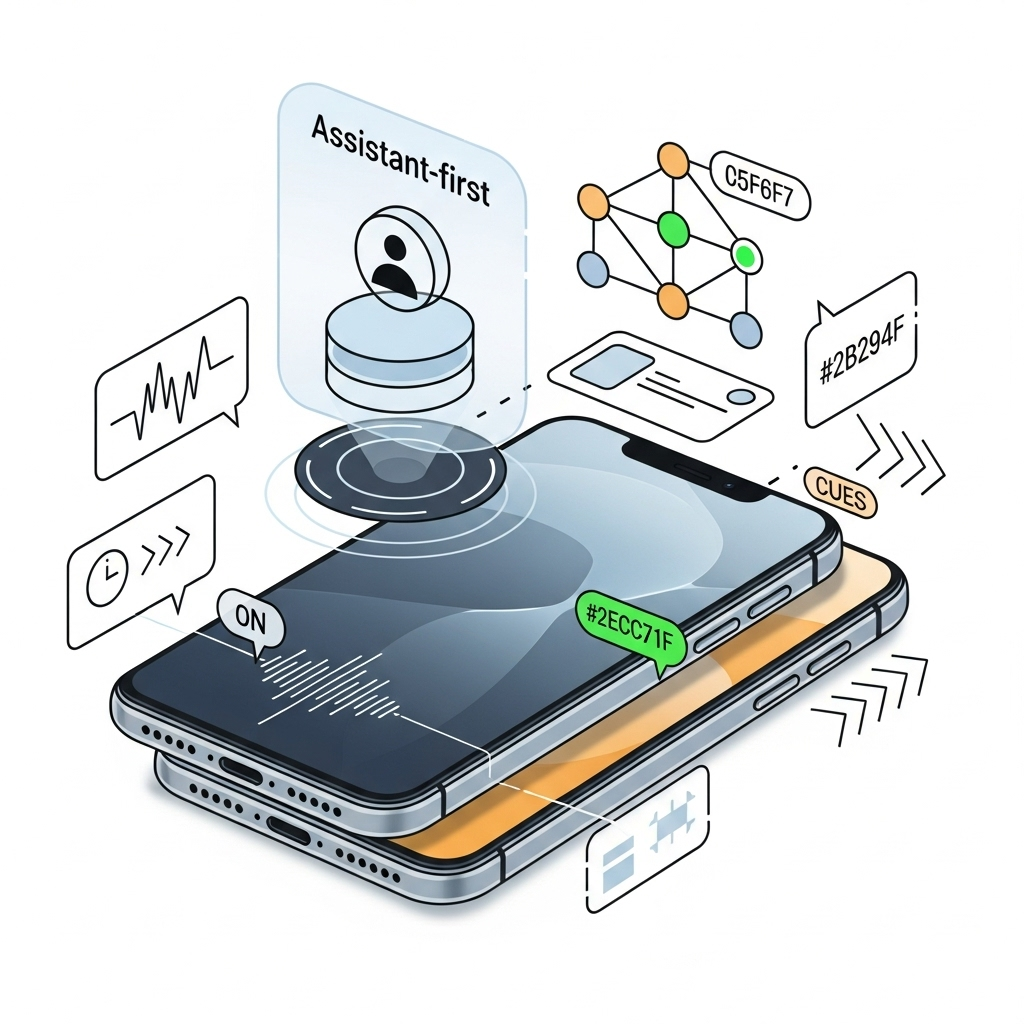
Google positions Pixel 10 and Gemini as a device designed to deliver on-device AI and assistant-first workflows, shifting workloads from cloud to the device to improve latency and privacy.
Pixel 10 + Gemini: what shipped and why it’s different
Pixel 10 integrates on-device Gemini models to handle many tasks locally, reducing cloud reliance. Magic Cue serves as an embedded assistant layer that surfaces contextual shortcuts within common flows, aiming to speed up tasks. The hybrid edge+cloud architecture balances smaller local models for responsiveness with cloud support for heavier generation, improving latency and giving users more control over data.
Hands-on signals from Pixel 10 Pro XL
Early hands-on notes show AI making the device feel more integrated: camera workflows feature assistant-style prompts that speed up capturing and editing within the main camera app, with UI that surfaces generative suggestions in context rather than forcing you to switch apps.
Magic Cue: assistant in the flow
Magic Cue acts as a proactive assistant layer, offering next-step actions within flows like messaging, camera use, or notifications. It’s embedded rather than a separate app, aligning with a push toward ambient, proactive help.
Gemini on Pixel: edge + cloud architecture
The Pixel 10 uses on-device processing for Gemini to deliver faster responses and stronger privacy, while more complex tasks can fall back to the cloud as needed. This balance means more generation can start on the device, reducing round-trips and giving users greater data control.
Why it matters: value shifts to silicon and system apps
Bundling flagship hardware with on-device generative features shifts value away from pure specs toward silicon tuned for inference and deeply integrated system apps. Time saved and assistant efficacy may become as important as camera quality and battery life when choosing devices.
Implications by stakeholder
Android OEMs
Shifts in messaging push competitors to either build credible on-device AI features or justify a cloud-first approach based on real-world performance data.
Developers
A move toward system-level AI hooks means developers can rely on built-in capabilities rather than shipping large local models, but this raises dependencies on Google APIs and model behavior. Existing guidance and docs are evolving.
Carriers
With more processing on-device, carriers can explore new traffic patterns and promotions that emphasize privacy, latency, and edge computing benefits.
Technical trade-offs and constraints
On-device AI must contend with heat, battery life, and model size limits. A hybrid approach—local inference for core tasks with cloud backstops for heavier generation—helps balance performance and energy use. While privacy improves with local processing, default data handling and opt-out options will shape user trust.
What to watch upcoming months
Expect more native-feeling AI in high-frequency apps, growing developer adoption of system AI hooks and Gemini APIs, and carrier programs that highlight on-device privacy and latency advantages.